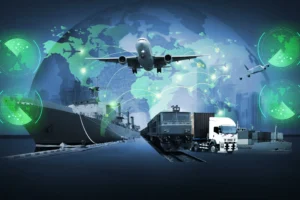
In today’s fast-paced world, where businesses demand efficiency and speed, air freight has become a critical part of the logistics process. The air import/export sector plays a vital role in ensuring goods are delivered quickly and securely across the globe. Whether it’s a time-sensitive product, high-value cargo, or perishable items, air logistics has the ability to meet these challenges with ease. Let’s dive into the importance of air import/export logistics and how it functions.
What is Air Import/Export Logistics?
Air import/export logistics involves the transportation of goods across international borders via air freight. It is the process of shipping goods from one country to another using airplanes, and it includes the management of the entire process, from booking and packaging to customs clearance and final delivery.
In air import/export, the goal is not only to move the goods from one location to another but to do so in a manner that’s efficient, secure, and cost-effective. Companies depend on air freight to deliver products at high speeds while maintaining their quality, making it the preferred choice for many industries.
Why is Air Import/Export Logistics Essential?
Speed and Efficiency: The main advantage of air freight is its speed. Airplanes are the fastest mode of transport available, reducing transit times significantly. This is especially beneficial for industries where time is a critical factor, such as pharmaceuticals, electronics, and perishable goods.
Global Reach: Air freight provides access to a wide range of global markets. With major airports in almost every country, goods can be transported across continents in a matter of hours, offering unparalleled connectivity.
Safety and Security: Air freight is known for its high level of security. The cargo is monitored and tracked at every stage of its journey, ensuring that goods are not lost or damaged. Strict regulations and protocols are also in place to protect valuable or sensitive items.
Cost-Effective for High-Value Goods: While air freight may be more expensive than sea or land transport, it becomes a cost-effective solution when shipping high-value or urgent items. For these products, the value of quick delivery often outweighs the extra cost.
Key Components of Air Import/Export Logistics
Airlines and Carriers: Air carriers are the backbone of air freight services. They manage the actual transport of goods between airports. It is important to select a reliable carrier to ensure timely and secure delivery.
Customs Clearance: One of the most critical parts of air import/export logistics is customs clearance. Proper documentation and compliance with both the origin and destination country’s regulations are essential to avoid delays.
Warehousing: Some goods may require temporary storage in a warehouse before or after their flight. Warehousing plays a key role in managing air import/export logistics, especially when multiple shipments need to be consolidated or sorted before delivery.
Tracking Services: Air freight often comes with advanced tracking systems that allow customers to monitor their shipment’s journey in real-time. This added transparency ensures peace of mind and keeps businesses informed about the status of their goods.
Cargo Insurance: As with any logistics service, the safety of goods is a priority. Air freight services typically offer cargo insurance to cover potential damages, ensuring goods are protected during transit.
Challenges in Air Import/Export Logistics
While air freight offers speed and efficiency, there are several challenges that businesses may face, including:
Capacity Limitations: Airplanes have limited cargo space, meaning that only a certain volume of goods can be shipped at a time. This can sometimes lead to higher costs or delays during peak seasons.
Cost Factors: Air freight is generally more expensive than other modes of transportation. For larger shipments, the cost may not always justify the use of air transport.
Regulatory Requirements: Each country has its own import/export laws, which can make air freight logistics complex. Businesses need to stay updated on the latest regulations to avoid customs delays or penalties.
Conclusion
Air import/export logistics is a vital part of global trade, offering businesses a fast and secure way to move goods internationally. While it comes with certain challenges such as cost and capacity limitations, the benefits far outweigh them, especially when time and security are paramount. By understanding the key components of air logistics and working with trusted partners, companies can ensure that their goods are delivered on time and in perfect condition, strengthening their global supply chains.